(click on the maps below to enlarge)
U-Boat BDU-KTB's by Month: 1939-1945
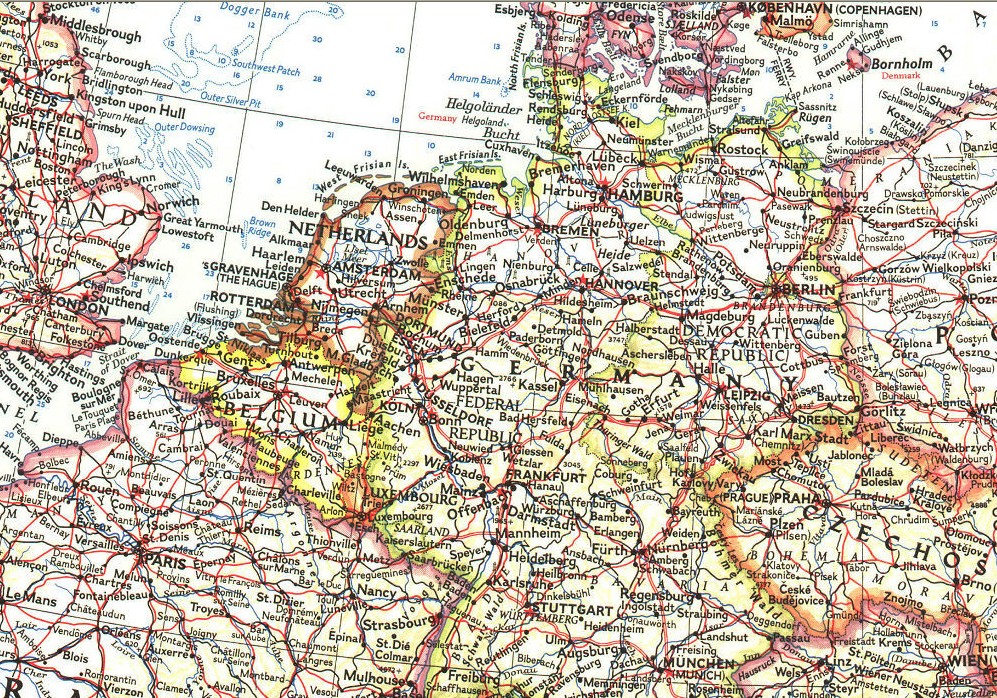
Locations of Headquarters of Supreme Commander-in-Chief U-Boats during the
period 1935 - 05.1945


(click on the maps below to enlarge)
U-Boat BDU-KTB's by Month: 1939-1945
Locations of Headquarters of Supreme Commander-in-Chief U-Boats during the
period 1935 - 05.1945
|
1920-1936 |
1920-1927 Appointed to Naval HQ in Berlin. 1930-1934 Admiralty Staff officers and leader (Doenitz Sr. Staff Officer) of the Admiralty Staff are headquatered at Wilhelmshaven. 1934-1935 CO of cruiser "Emden". In 09.1935 the first U-boats of the Schulverband (training unit) attached to the Unterseebootsschule and the Unterseebootsflottille Weddingen were organized into an operational structure under the command of Kpt.z. See Karl Donitz, nominated as the Führer der Unterseeboote (F.d.U.) on 01.01.36. Donitz assumes command of the First U-Boat Flotilla in Wilhelmshaven- Officer in command of the Weddingen Flotilla. HQ ship (Flagship) "Erwin Wassner" in Wilhelmshaven. |
|
1939-1940 |
1 September 1939 Germany invades Poland. 3 September 1939 Germany declares war with Britain and France. Until 16.10.39 the F.d.U. headquarters staff included the following: F.d.U.: Kpt.z.See (Kommodore from 28.01.39, from 01.10.39 K.Adm.) Karl Donitz (01.0.36-16.10.39), Stabsoffizier z.b.V. (staff oficer for special duties): Kpt.z.See Hans Georg von Friedeburg (09.07.39-16.10.39), -1 .Asto (staff oficer to the Admiral): K.Kpt. Eberhard Godt (04.01.3-16.10.39), 2.Asto: Kptlt. Hans Gerrit von Stockhausen (02.10.38-08.38), Kptlt. Hans Gunther Looff (09.39-16.10.39), 3.Asto: Kptlt. Hans Cohausz (04.01.39-16.09.39), Kptlt. Hans Pauckstadt (17.09.39-16.10.39), -4.Asto: Kptlt. Hans Gerrit von Stockhausen (01.09.39-16.10.39), -Astoz.b.V.: Kptlt. Victor Oehrn (01.09.39-16.10.39), Staff engineer: F.Kpt.(lng.) Otto Thedsen (01.36-16.10.39), Sanitary officer: MStA.Dr. Gerold Lubben (10.38-16.10.39), Administrative officer: K.Kpt. Dr. Walter Buchholz (387-16.10.39), Judge of the F.d.U. court: MkrGerRat Dr.Kurt Wespe (387-16.10.39). Reorganization of the Ubootwaffe began on 17.10.39. The same day Adm. Karl Doenitz took charge of the B.d.U. (Befehlshaber der Unterseeboote) and held this position until 30.01.43, when he became Commander-in-Chief of the Kriegsmarine. Two separate command headquarters functioned throughout the Second World War: the operational command (Operative Fuhrung) supervised by the B.d.U.op and the military command (Truppendienstlische Fuhrung) under the B.d.U.Org, at the following locations: Before the war: Mainly in Kiel. August 1939, for a short period: Swinemunde. 1 Sept. 1939 to Nov. 1939: Wilhelmshaven Naval Station (in wooden huts by a road leading to a military cemetery called Toten Weg). October 1939 to 28 August 1940: Sengwarden, a suburb of Wilhelmshaven. |
|
1940-1941 |
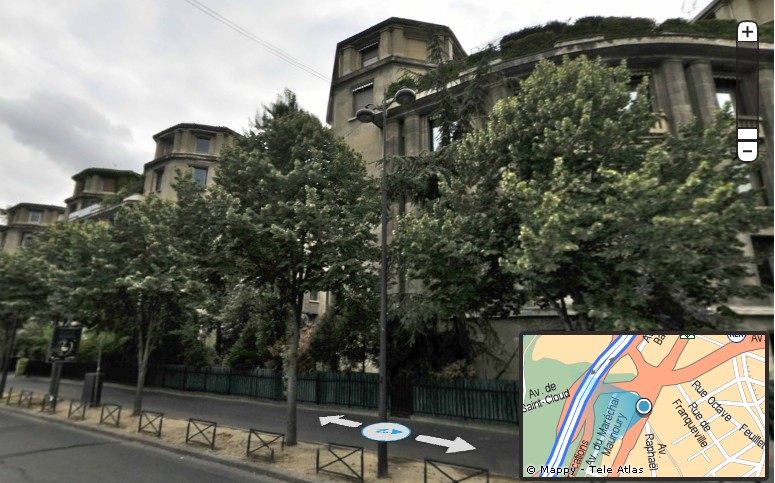
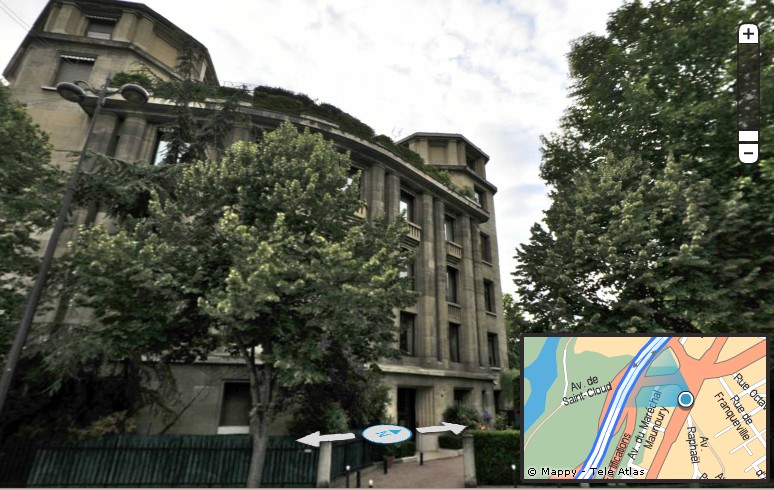
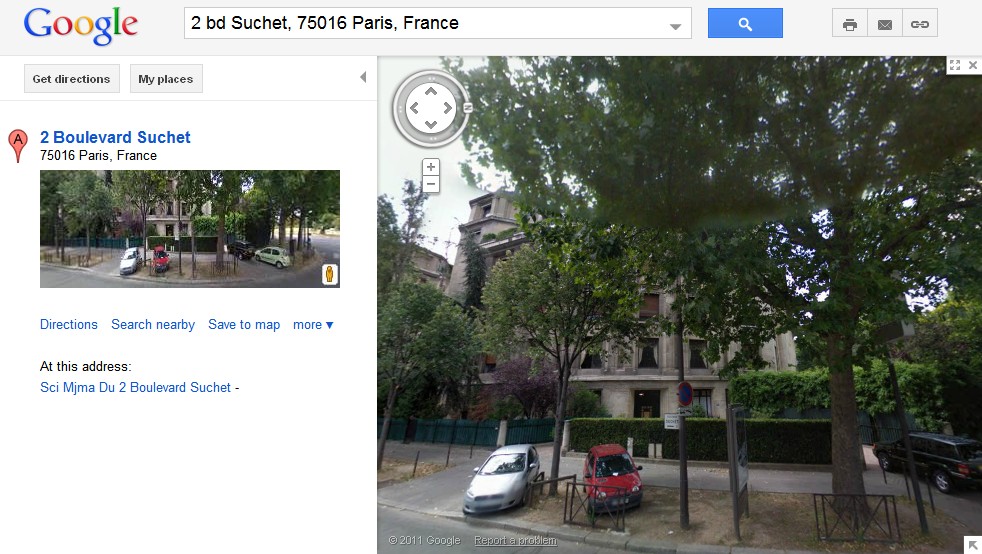
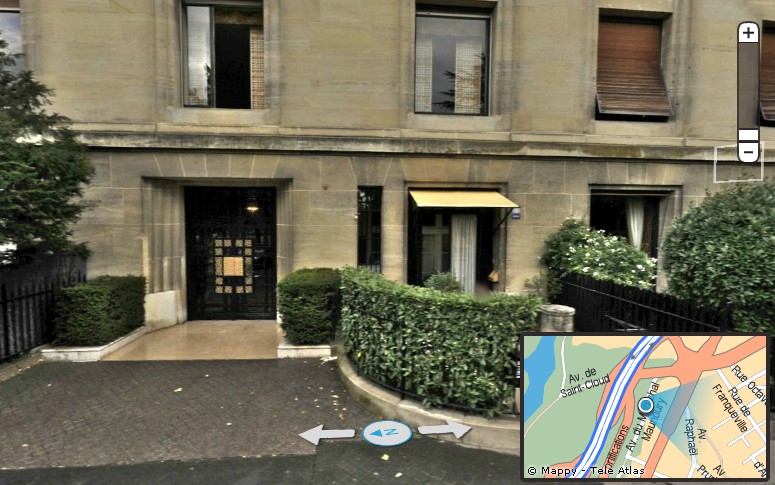
May 10 1940 Germany invades France, Belgium and Holland and Luxembourg. Italy enters the war 10 June 1940. Italian submarine base "Betasom" opened in August 1940 at Bordeaux, France. Seized by the Germans in 1943.  29 August 1940 to November 1940: Boulevard Suchet in Paris. November 1940 to March 1942 (16 October 1940? - May 1942?): Kernevel, a suburb of Lorient. THREE villas of the Ouizille family appropriated at Larmor Plage, Kerneval.
7 December 1941 USA declares war on Japan. 4 September 1941 Germany declares war on USA. |
|
|
|
|
|
|
|
|
|
|
1942-1943 |
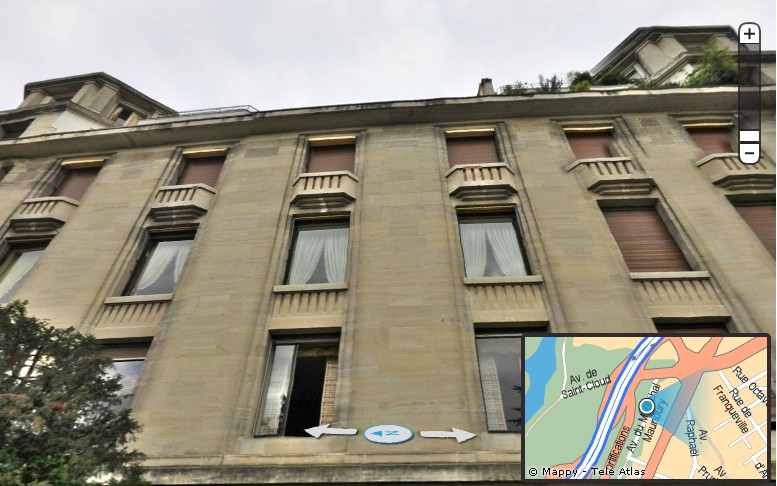
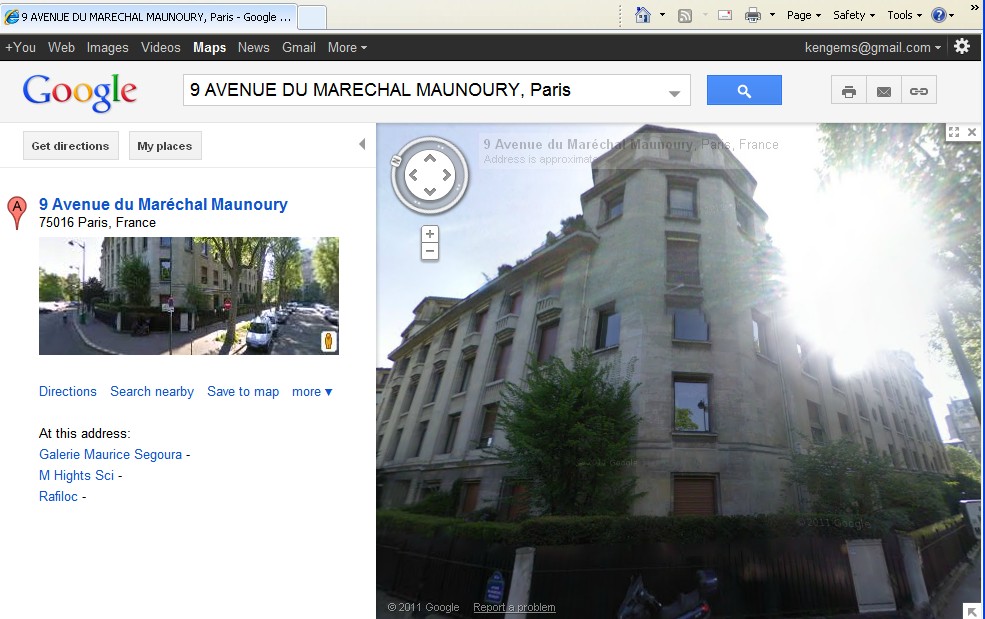
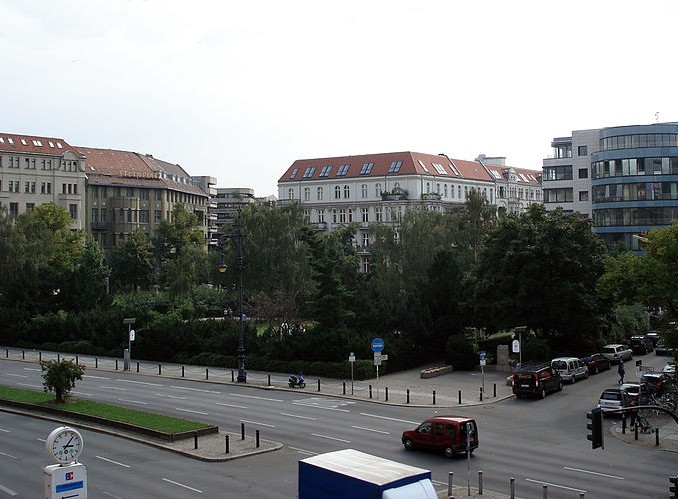
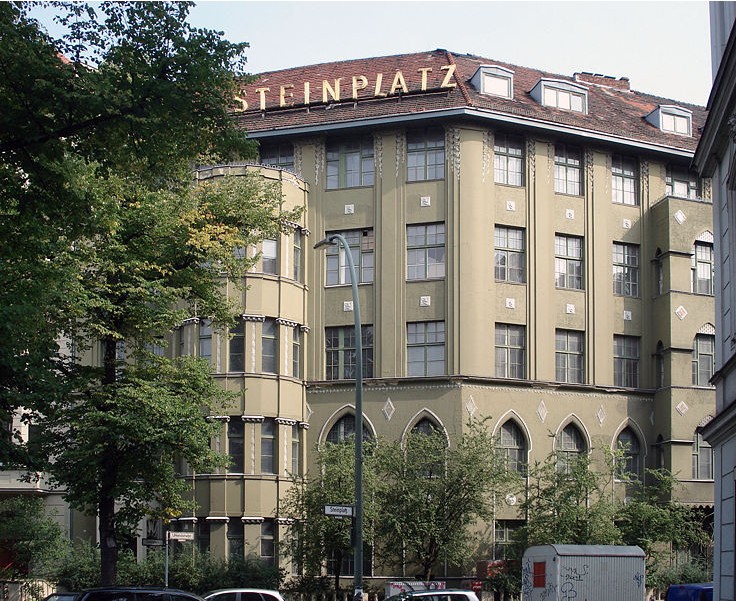
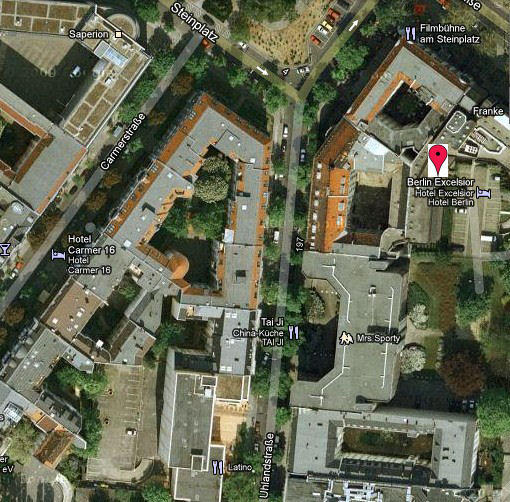
March 1942 to March 1943: Avenue Marechal Maunoury in Paris. March 1943 to December 1943: Steinplatz in Berlin-Charlottenburg. Raeder, after a series of failed operations after that point, particularly the Battle of the Barents Sea—combined with the outstanding success of the U-boat fleet under the command of Karl Doenitz—led to his eventual demotion to the rank of Admiral Inspector of the Kriegsmarine in January 1943. Raeder offered his resignation as an apology and formally resigned from Kriegsmarine in May 1943. 30 January 1943: Doenitz had succeeded him in the post of Commander-in-Chief of the Navy on. 19 May 1943: Doenitz' son Peter killed when U-954 was sunk with loss of all hands N. Atlantic. 3 September 1943 Italy signs armistice with the Allies. 13 October 1943 Italy declares war on Germany. December 1943 to February 1945: Staff quarters (Stabsquartier) at Bernau near Berlin (code-name "Koralle"). Because of continual air attacks on Berlin, Doenitz headquarters in the Hotel am Steinplatz had been evacuated to the suburb of Bernau, where he spent the night of 5-6 June 1944. |
|
|
|
|
|
1944-1945 |
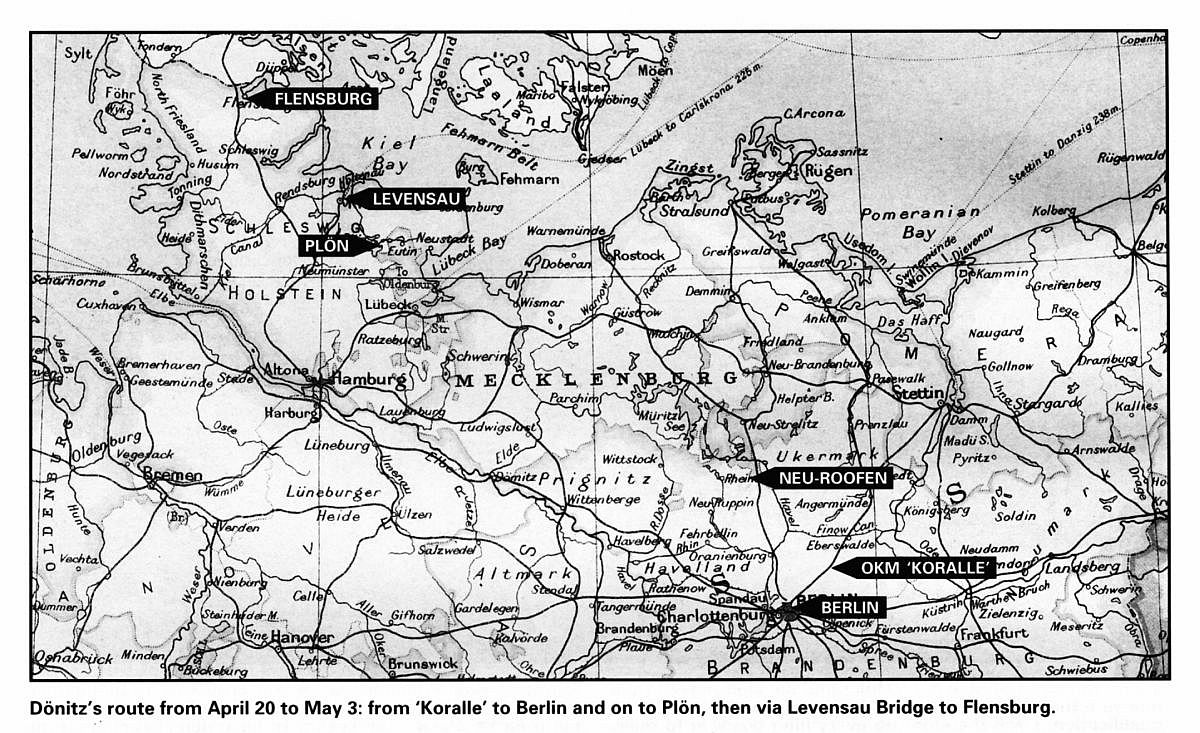
December 1943 to February 1945: Staff quarters (a hutted camp) at Bernau near Berlin [between Bernau and
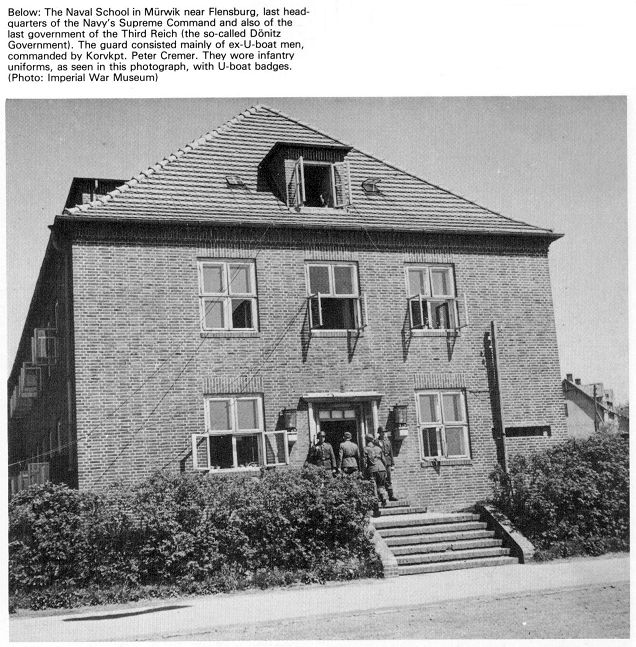
Eberswalde, 20 miles north east of Berlin] - code-name "Koralle". 13 May 1944: Doenitz' son Klaus was killed on the torpedo boat S-141 during a raid on HMS Selsey off the coast of England on his twenty-fourth birthday. The boat was destroyed and Klaus died, though six others were rescued. 20 July 1944: Hitler assasination attempt. The Naval Command Staff was split in February 1945. With Hitler's approval on 12 April 1945, part of the staff was moved to Sengwarden near Wilhelmshaven (Feb. 1945 to 21 April 1945) while the other half remained at "Koralle". 20 April 1945 Doenitz' attends Hitler's birthday celebration in Berlin. 21 April 1945 Doenitz' last meeting with Hitler. Eventually, the staff (including Doenitz from "Koralle" and Hessler from Sengwarden) met again at Ploen in Holstein (Plon, 50 miles north of Hamburg in the Schleswig-Holstein peninsula) - Plon code-name "Forelle", 21-22 April to 2 May 1945 - Doenitz' new command post on the 22nd was set up in the hutted camp of the Marine- Nachrichten- Abteilung [Naval signals battalion] near Plon with the code-name "Krokodil") and from there on 2 May moved to Flensburg-Murwik (May 1945).
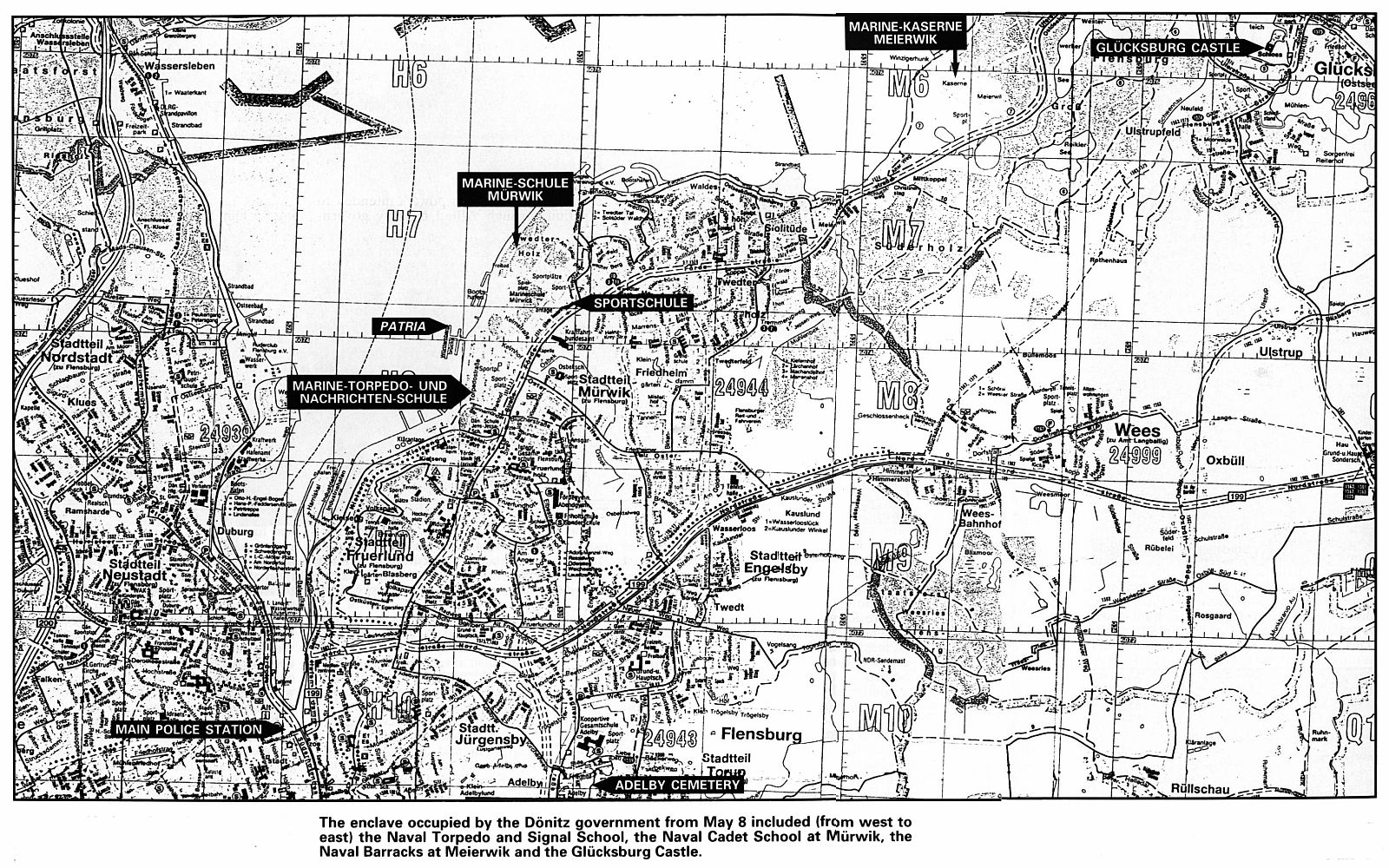
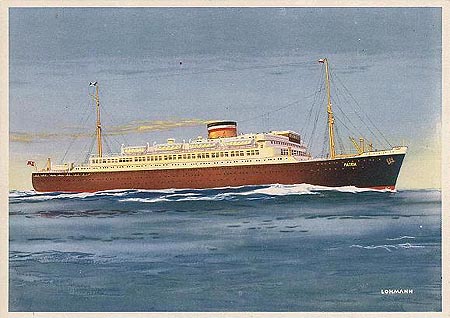
Some background info on Plon -  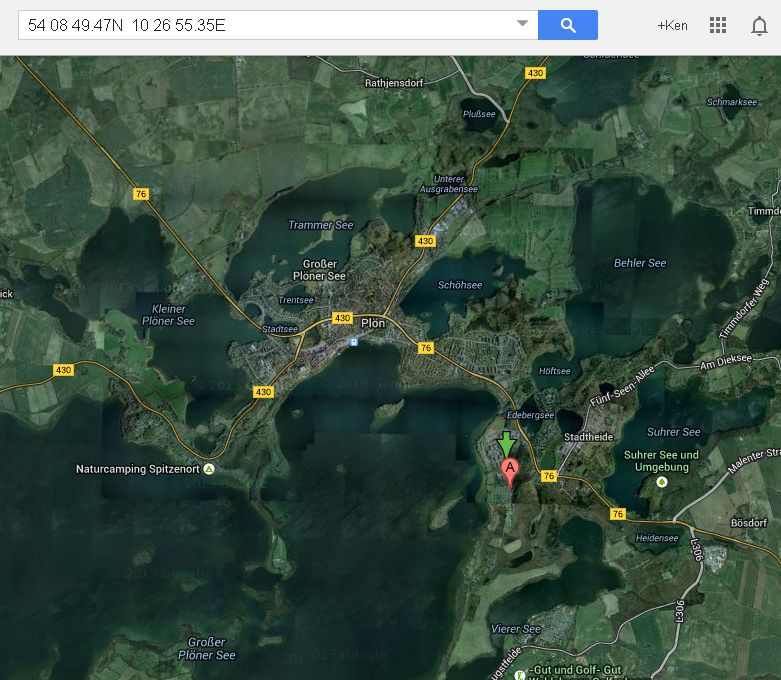 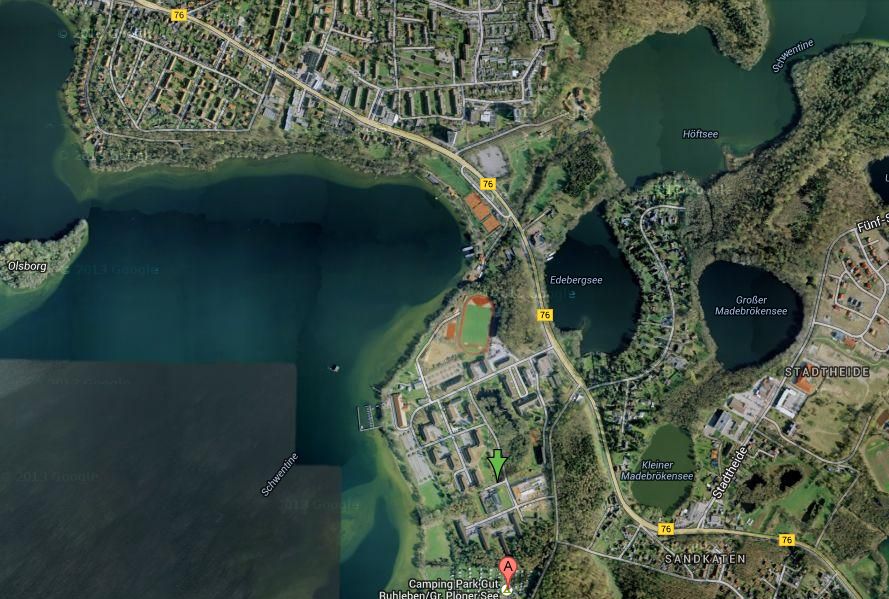 30 April 1945 at 1530 hours, Hitler commits suicide at 1530 on 30 April. 30 April 1945 at 1807 hours, a breif communication is received from Berlin, signed by Bormann, whereby Hitler has appointed Doenitz as his successor in place of Reichmarschall Goring. 1 May 1945 at 1518 hours - Doenitz recieves a signal drafted one hour previously, that Hitler expired at 1530 hours on the 30th of April. 1 May 1945 at 2226 hours - Doenitz broadcasts a short message, via a Hamburg radio station, to the German people that Hitler is dead and that he has been appointed his successor. The night of 2-3 May 1945 - Doenitz moves his HQ from Plon north to Flensburg-Murwik, due to day-long Allied air attacks, arriving at 0200 and initially setting up his HQ on the "SS Patria" moored at the Marine-Schule Murwik - finall moving to the Sportschule (sports school / physical training school buildings complex) at the rear of the Marine-Schule 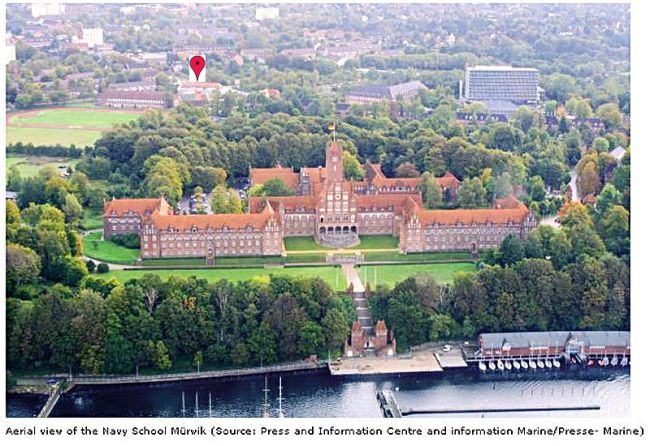 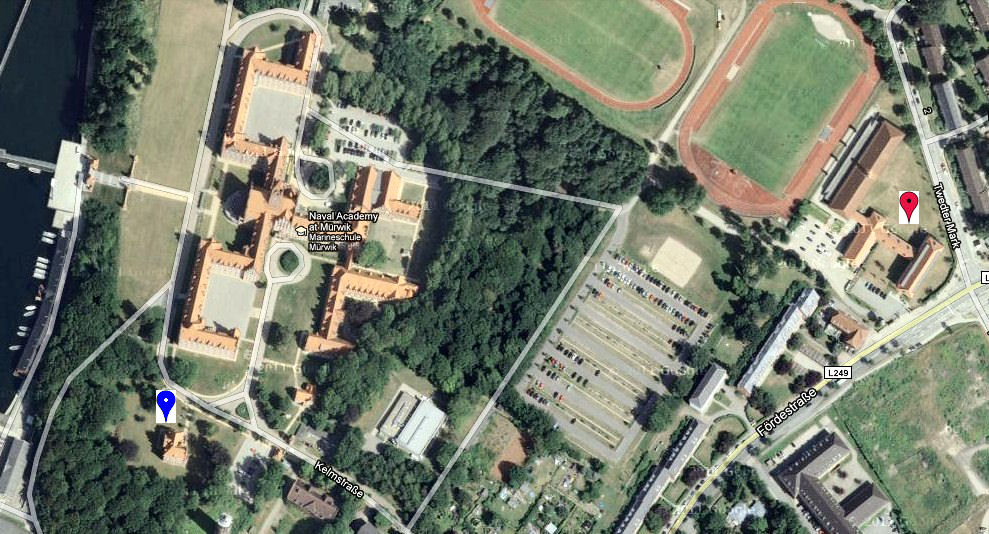 . Two personal quarters of Doenitz
were also located in the Marine-Schule commanders villa, located to the right of the main Marine- Schule building
. . Two personal quarters of Doenitz
were also located in the Marine-Schule commanders villa, located to the right of the main Marine- Schule building
. 3 May 1945 at 2100 hours - Doenitz, on his way to Flensburg, meets General Admiral von Friedburg at the highway bridge over the Kaiser Wilhelm Canal at Levensau near Kiel, and authorizes him to offer the surrender of all German forces in Northwestern Germany. 4 May 1945 Germany (General Admiral von Friedburg) signs surrender document at 1830 hours in Field Marshal Mongomery's HQ at Luneburg Heath South of Hamburg. 9 May 1945 Cessation of hostilities by Germany. On 11 May 1945 the Allied Control Commission arrived in Flensburg and set up headquarters on board the "S.S. Patria". On May 22 Doenitz, von Friedburg and Jodl were ordered to report on board. On the morning of May 23 at 0945 hours, they reported punctually and were informed of their immenent arrests - the Doenitz government is disbanded at 0955 hours. At 1000 hours, Operation "Blackout" commences - the Sportschule (sports school buildings complex) are entered, searched and cleared by 1200 hours and their occupants arrested. General Admiral von Friedburg committed suicide before he could be taken   . General
Admiral von Friedburg was the only casualty of Operation "Blackout". On the afternoon of May 23 the arrested
men were taken to the police station on Norderhofenden in the center of Flensburg were they were searched and screened.
That same afternoon the 3 main prisoners (Donitz, Speer and Jodl) were transported to the Flensburg airfield and
then were flown via two C-47's to Luxembourg where they were lodged in the Palace Hotel at Bad Mondorf, which had been converted into a prison. The Doenitz government
had lasted just 23 days. . General
Admiral von Friedburg was the only casualty of Operation "Blackout". On the afternoon of May 23 the arrested
men were taken to the police station on Norderhofenden in the center of Flensburg were they were searched and screened.
That same afternoon the 3 main prisoners (Donitz, Speer and Jodl) were transported to the Flensburg airfield and
then were flown via two C-47's to Luxembourg where they were lodged in the Palace Hotel at Bad Mondorf, which had been converted into a prison. The Doenitz government
had lasted just 23 days.The sentences of The International Military Tribunal at Nuremberg on 1 October 1946 resulted in Doenitz receiving 10 years in prison and Raeder sentenced to life in (Spandau) prison (Raeder's sentence was commuted due to ill health, he was released at 11:35 on 26 September 1955. After his release he settled down at the Uhlandstrasse in Lippstadt, Westphalia. He later wrote an autobiography, Mein Leben, in 1957. Erich Raeder died in Kiel on 6 November 1960. He is buried in the Nordfriedhof (North Cemetery), Kiel. In the Doenitz memoirs, Zehn Jahre, Zwanzig Tage (Memoirs: Ten Years and Twenty Days), appeared in Germany in 1958 and became available in an English translation the following year. This book recounted Doenitz's experiences as U-boat commander (10 years) and President of Germany (20 days). 24 December 1980 Karl Doenitz dies of a heart attack at home in Aumuhle, outside of Hamburg. His funeral is held on 6 January 1981. He was buried in Waldfriedhof Cemetery in Aumühle, outside of Hamburg, without military honors. The B.d.U.Org was in charge of all U-boat flotillas as well as a variety of matters related to the Ubootwaffe personnel and supply of necessary war materials. The official title of the B.d.U.Org commander was from 01.09.41: 2.Admiral der Unterseeboote (2nd U-boat Admiral) and from 01.03.43 - Kommandierender Admiral der Unterseeboote (U-boat Commanding Admiral). Rear-Admiral Hans Georg von Friedeburg, 2.Admiral der Unterseeboote during (10.39-02.43), was promoted to Vice-Admiral on 01.02.43 and held the following other positions: Kommandierender Admiral der Unterseeboote from 03.43-05.45 and eventually, as General-Admiral, Commander-in-Chief of the Kriegsmarine from early 05.1945 to 23.05.45, when he committed suicide. His duties as Kommandierender Admiral der Unterseeboote were temporarily executed by Kpt.s.See Kurt Dobratz. The Ubootwaffe was structured as follows (from 09.42 2.Admiral der Unterseeboote, from 03.43 Kommandierender Admiral der Unterseeboote): Division chief (Abteilungschef): Kpt.z.See Hans Georg von Friedeburg (17.10.39-11.09.41); 2.Admiral der Unterseeboote: K.Adm (od 01.02.43 V.Adm) Hans Georg von Friedeburg (12.09.41-31.01.43); Kommandierender Admiral der Unterseeboote: Adm. Hans Georg von Friedeburg (01.02.43-30.04.45), Kpt.z.See Kurt Dobratz (01.05.45-08.05.45); Chief of staff to Kommandierender Admiral der Unterseeboote: F.Kpt. Heinz Ehler Beucke (03.43-05.43), K.adm. Ernst Kratzenberg (06.43-04.45), Kpt.z.See Kurt Dobratz (04.45) F.Kpt.(lng.), Ewald Engler (01-08.05.45). |
||||
|

|
|
|
1945 |
|
|
|
|
|
|
1980 |
|
|
|
|
|
|
|